Written SOPs before the first load
Every account starts with a documented standard operating procedure: how freight is received, how it is counted, how it is built, how exceptions are reported and who gets called. The SOP is approved by you and posted at the dock so a night-shift lead runs your freight exactly the way the day shift does.
Proof, not promises
Counts, seal numbers, condition photos, build photos and written exception reports attach to a single MON- reference. When a receiver disputes a load, you have the evidence before the conversation starts instead of after.
Labor that scales with the surge
Cross-trained dock crews, certified lift operators and a call-in bench for peak season, promotional pushes, recalls and unplanned reworks. Booked appointments hold their door assignment even when the yard fills up.
Equipment for awkward freight
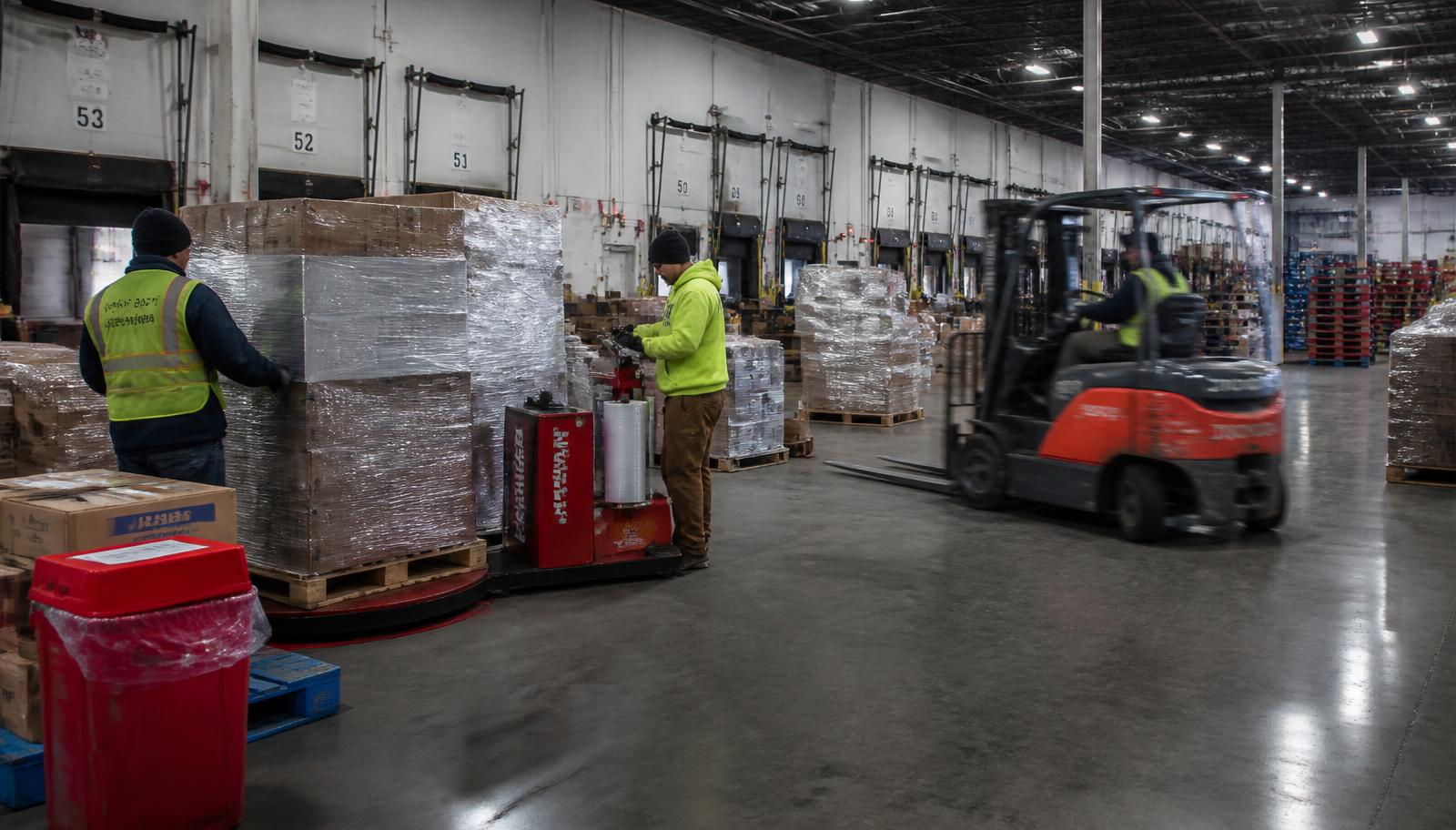
Sit-down and stand-up forklifts, extended forks, slip-sheet and clamp attachments, pallet inverters for restacking, banding and strapping equipment, stretch wrappers, scales, drum handling and crating tools.
Safety and compliance posture
General liability and cargo coverage, documented hazmat handling procedures, food-grade sanitation practices, controlled site access, camera coverage and yard checks. Certificates of insurance and W-9 are available on request for procurement onboarding.
Technology that stays out of the way
Drivers and dispatchers submit loads from a phone in about two minutes, then track status by reference number. No portal logins, no app installs, no training required — and PDF confirmations are downloadable for the driver's paperwork and your file.